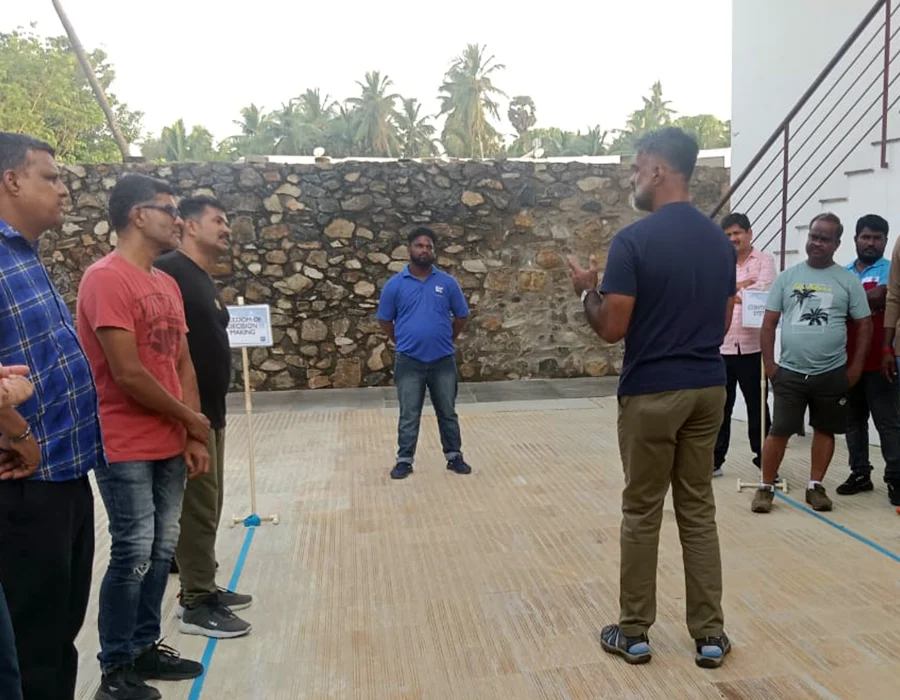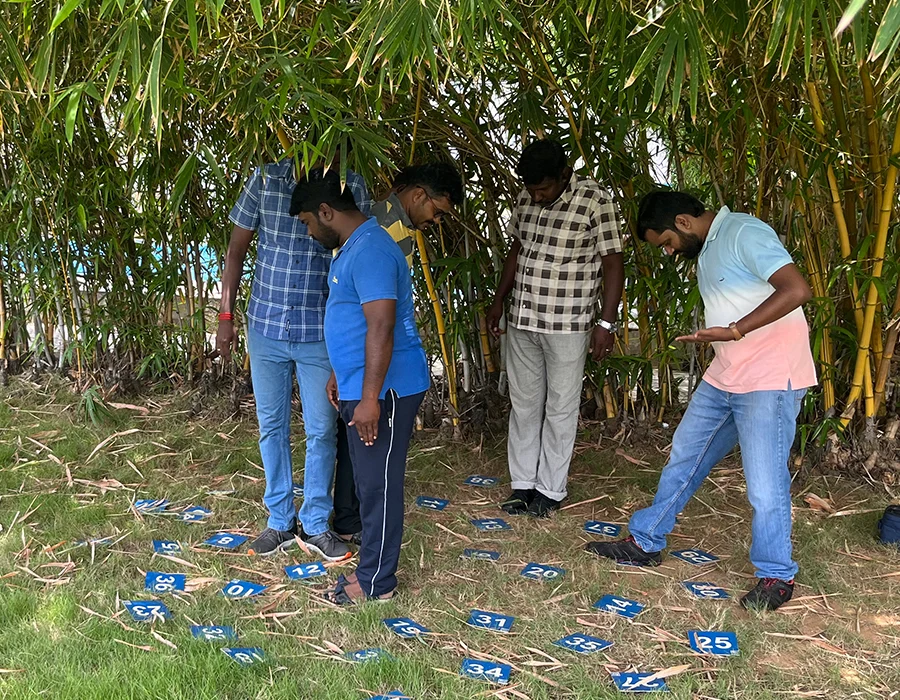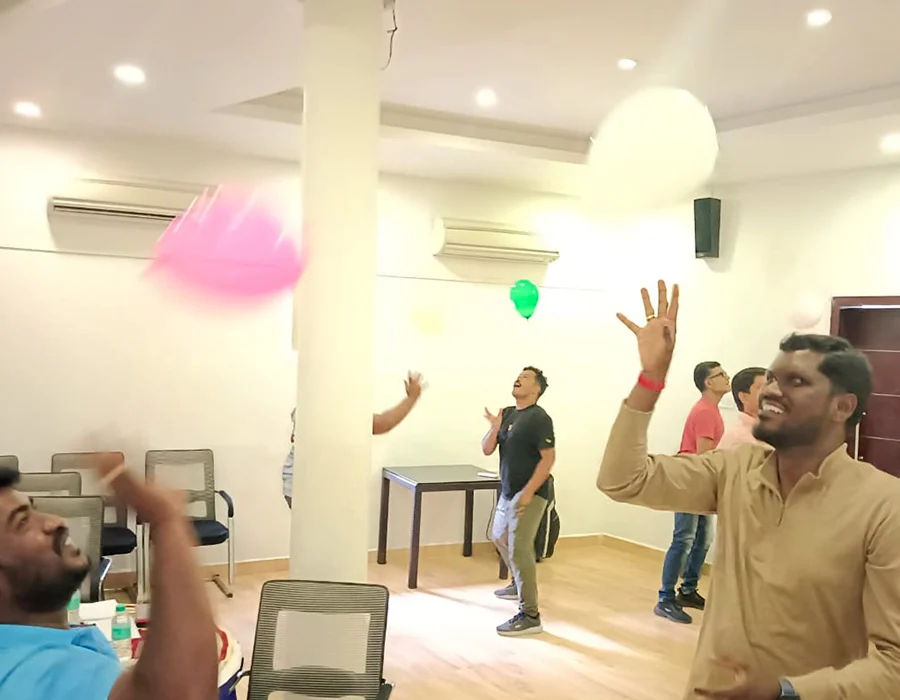
Most people can recall a training day where they sat through slides, nodded along and forgot almost everything by the following week. Game-based learning takes a different route. Instead of telling people how to behave, it puts them in a situation where they have to act, then helps them make sense of what happened.
This article looks at why that shift matters, and what makes a learning game more than a fun break between sessions.
The problem with listening and forgetting
Classroom training is good at moving information from a presenter to an audience. It is far less effective at changing what people do on a Monday morning. Behaviour change needs three things that a lecture rarely provides:
- A real decision to make, with something at stake
- Immediate feedback on the choice
- Time to reflect and connect the lesson to daily work
When any of these is missing, people leave with notes rather than new habits.
What happens inside a well-designed game
A good learning game is a compressed version of real work. Teams face limited time, incomplete information and competing priorities. They have to plan, communicate and adjust as the situation changes.
People show how they actually work
In a classroom, everyone knows the right answer to "should you listen to your colleagues?". In a game, you see who listens and who doesn't. That gap between knowing and doing is exactly where learning happens.
Mistakes are safe and memorable
Getting something wrong in a simulation costs nothing except a few points. Because the moment is vivid, people remember it far longer than a bullet point on a slide.
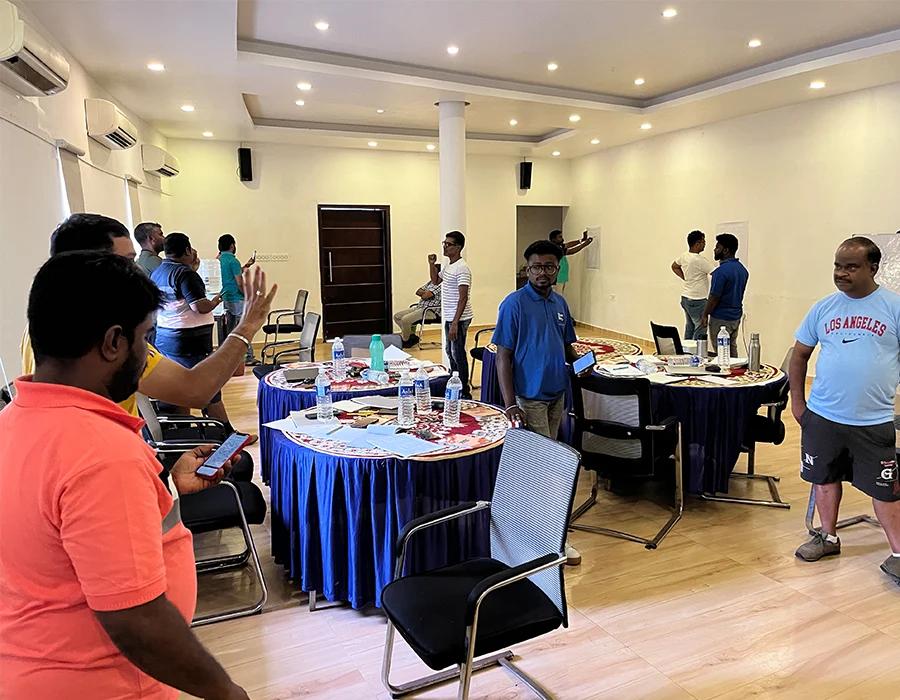
Why the debrief matters most
The game itself is only half of the experience. The real value comes in the debrief, when a facilitator helps the group step back and ask:
- What did we just do?
- Why did we do it that way?
- Where does this show up in our real work?
- What will we try differently next week?
The game creates the experience. The conversation afterwards turns it into learning.
Without this step, a game is just an activity. With it, the group leaves with shared language and specific commitments.
Making it stick after the session
Even a great session fades if nothing follows it. Programs that change behaviour tend to combine a live experience with short reminders and practice over the following weeks. This is the thinking behind pairing facilitated games with digital tools such as the Kairos game-based learning platform and the Koach.AI behaviour-change platform.
Is game-based learning right for your team?
It works best when the goal is a change in behaviour, not just awareness. Typical examples include:
- Leaders who need to delegate and give feedback more effectively
- Teams that work in silos and need to collaborate across functions
- Groups going through change who need to build trust quickly
If your next program needs people to do something differently, not just know something new, a game-based approach is worth exploring.