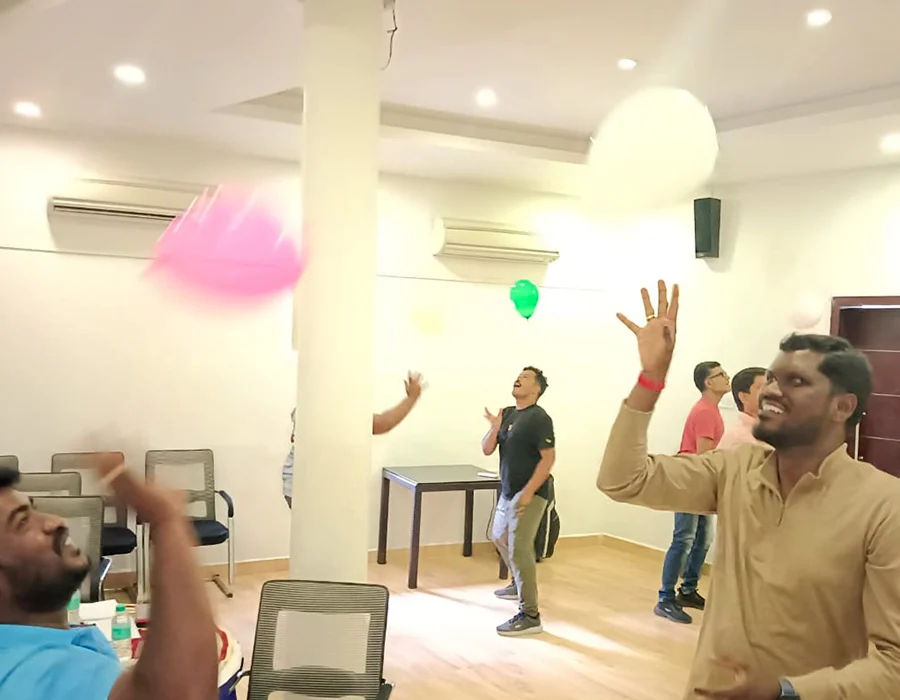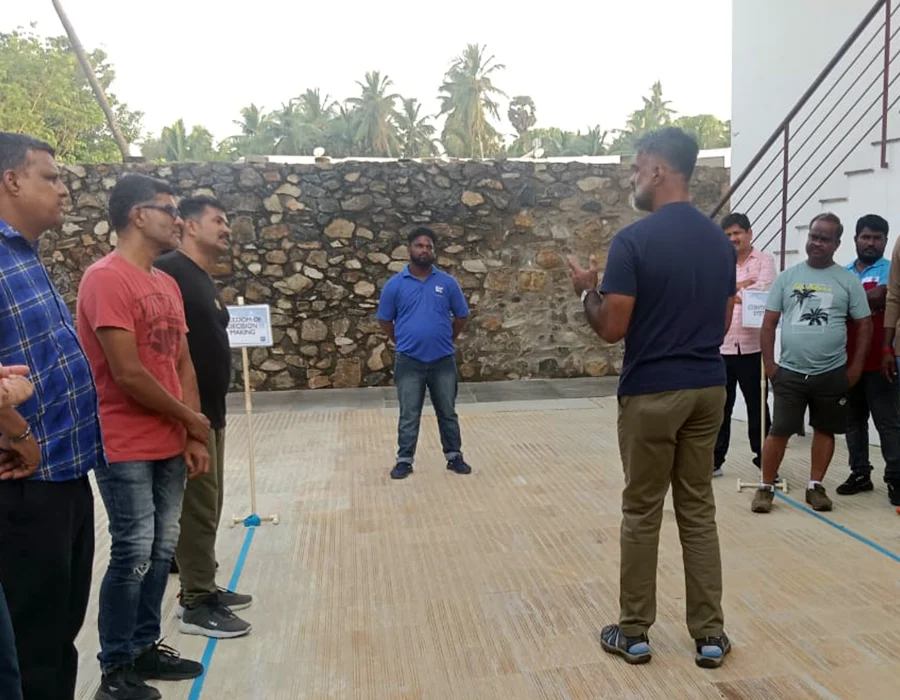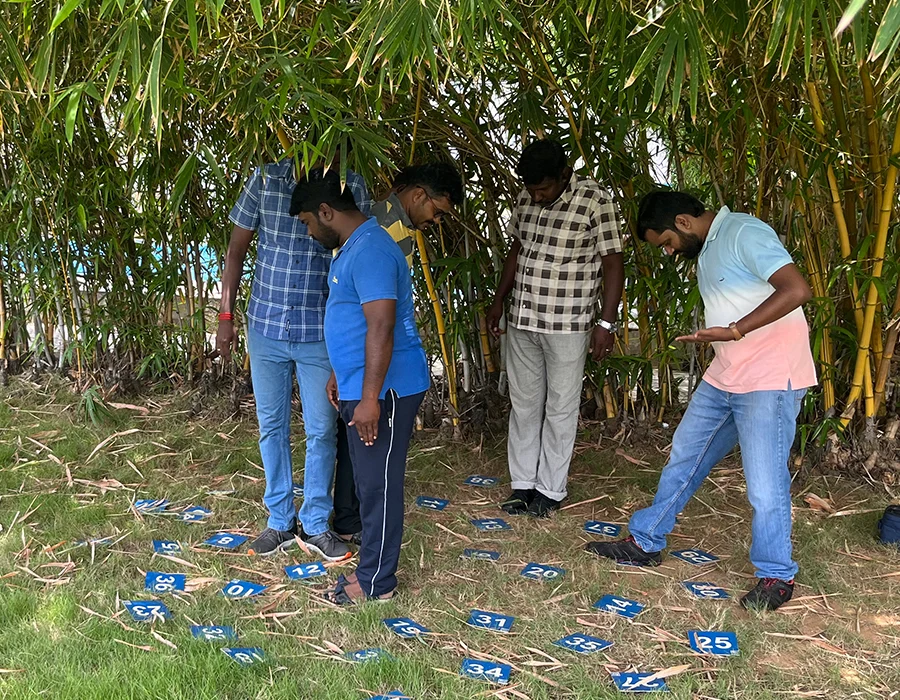
A team offsite can be the moment a group starts working as one, or an expensive day that changes nothing. The difference is rarely the venue or the budget. It comes down to whether the activities ask people to rely on each other, and whether there is time to talk about what happened.
Here are ideas that build real trust, along with a few common traps to avoid.
Start with a clear purpose
Before choosing activities, agree on what the offsite is for. Trust means different things for different teams:
- A new team may need to get to know each other's strengths
- A team after a restructure may need to rebuild confidence
- A cross-functional group may need to understand each other's pressures
A clear purpose makes it much easier to choose activities that fit.
Offsite ideas that build trust
Problem-solving challenges with shared information
Give each person a piece of the puzzle and make success depend on everyone contributing. These activities quickly reveal who speaks up, who holds back and how the group makes decisions.
Outdoor tasks with a time limit
Physical challenges, done safely and inclusively, create energy and a shared story. A countdown adds just enough pressure to show how the team behaves when things get busy.
Business simulations
A simulation mirrors real work, such as managing resources or responding to a changing market. Teams see how their usual habits help or hurt them, without real-world consequences.

Structured story sharing
Simple prompts, such as "a moment at work I was proud of" or "something people often misunderstand about my role", help colleagues see each other as people, not job titles.
Common traps to avoid
Some popular offsite activities can work against trust:
- Forced vulnerability. Pushing people to share personal details too early creates discomfort, not connection.
- Purely competitive games. A little competition is energising, but too much splits the group into winners and losers.
- No time to reflect. Back-to-back activities leave no space to connect the fun to real work.
Trust grows when people see colleagues follow through, admit mistakes and help each other under pressure.
Bring it back to work
The best offsites end with a short, honest conversation about what the team learned and what it will do differently. Capture two or three specific commitments and agree how you will check on them in the coming weeks.
Planning your next offsite
A well-facilitated offsite combines purposeful activities with guided reflection. At BlueSky Learning, we design team experiences around the goals you want to reach, from building a new team to strengthening collaboration across functions. If you are planning an offsite, we would be happy to help you shape it.