
Being promoted to manager is often a reward for being excellent at your previous job. The difficulty is that the new role asks for a very different set of skills. Doing the work well is replaced by getting work done through others.
Here is a practical look at what first-time managers struggle with, and how organisations can support them through the change.
Why the first year is so hard
New managers often feel stuck between two worlds. They are no longer one of the team, but they do not yet feel confident as a leader. Common challenges include:
- Managing former peers and friends
- Letting go of hands-on work they enjoy and are good at
- Giving honest feedback without damaging relationships
- Balancing pressure from senior leaders with the needs of the team
None of these are solved by a policy document. They are learned through practice and reflection.
The shifts every new manager has to make
From doing to enabling
The instinct to step in and fix things is strong. Strong managers learn to coach instead, asking questions that help team members find their own answers.
From individual results to team results
Success is no longer measured by personal output. It is measured by how well the whole team performs, and how much each person grows.
From avoiding conflict to handling it early
Small tensions grow when they are ignored. New managers need simple, practised ways to raise difficult topics before they become big problems.
What good support looks like
Organisations that help first-time managers succeed usually do a few things well:
- Prepare them before the promotion takes effect. A short transition program helps people understand what is changing.
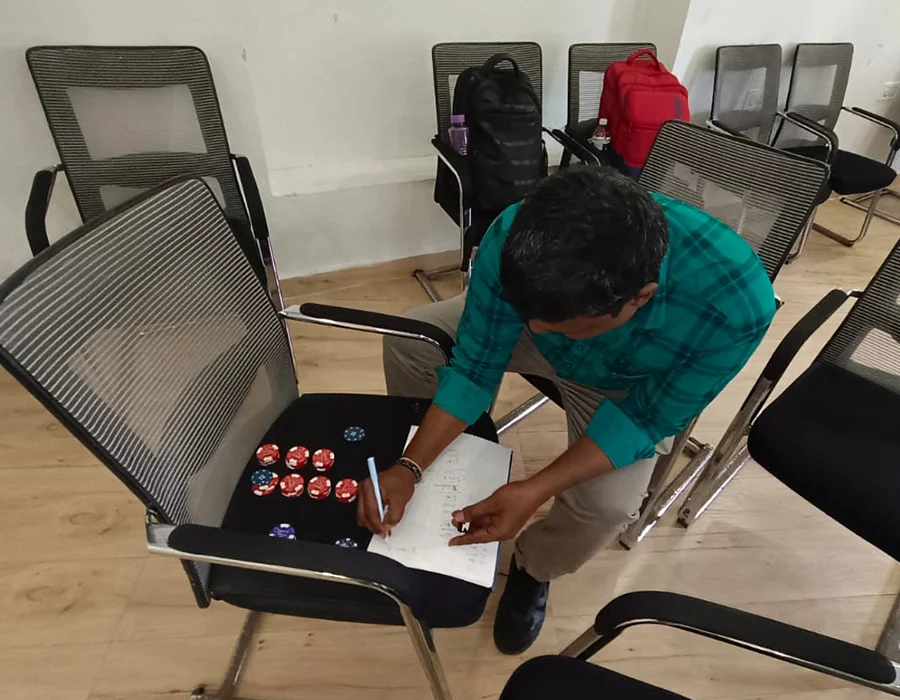
- Give them a safe place to practise. Simulations and role plays let new managers try conversations before they have them for real.
- Connect them with peers. Hearing that others face the same challenges is a relief, and a source of practical ideas.
- Follow up over time. Coaching nudges and check-ins keep new habits going after the workshop ends.
New managers do not need more theory. They need a place to practise the hard conversations before they happen.
A simple first-90-days plan
For new managers reading this, a few steps make a big difference early on:
- Meet each team member one to one and ask what helps them do their best work
- Agree on two or three team priorities and share them clearly
- Ask your own manager how success will be judged in your first six months
- Block time each week to reflect on what went well and what you would change
How we approach it
At BlueSky Learning, we use experiential games and simulations so new managers can practise delegation, feedback and decision-making in a realistic setting, then reflect on it with a facilitator and their peers. If you are planning support for a group of first-time managers, we would be glad to talk it through.